Archives
- 2026-10
- 2026-09
- 2026-08
- 2026-07
- 2026-06
- 2026-05
- 2026-04
- 2026-03
- 2026-02
- 2026-01
- 2025-12
- 2025-11
- 2025-10
- 2025-09
- 2025-03
- 2025-02
- 2025-01
- 2024-12
- 2024-11
- 2024-10
- 2024-09
- 2024-08
- 2024-07
- 2024-06
- 2024-05
- 2024-04
- 2024-03
- 2024-02
- 2024-01
- 2023-12
- 2023-11
- 2023-10
- 2023-09
- 2023-08
- 2023-07
- 2023-06
- 2023-05
- 2023-04
- 2023-03
- 2023-02
- 2023-01
- 2022-12
- 2022-11
- 2022-10
- 2022-09
- 2022-08
- 2022-07
- 2022-06
- 2022-05
- 2022-04
- 2022-03
- 2022-02
- 2022-01
-
Continuing studies of endocannabinoid ligands at GPR
2022-05-04
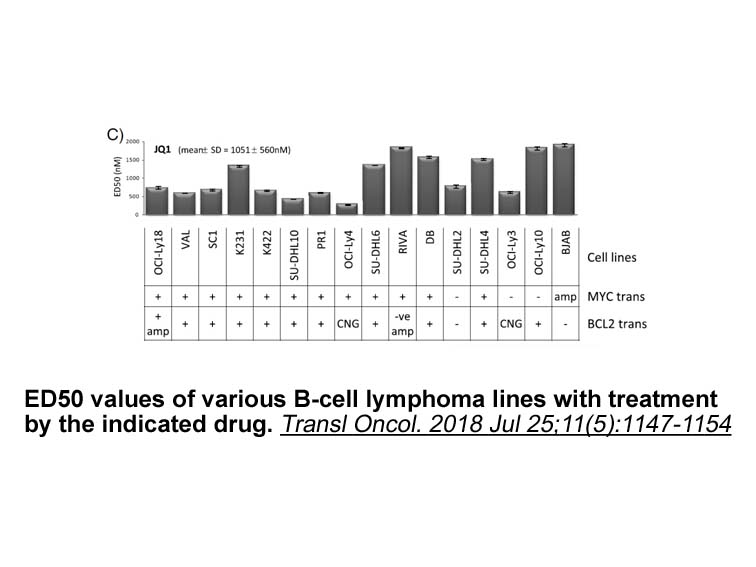
Continuing studies of endocannabinoid ligands at GPR55 reveal that virodhamine (O-arachidonylethanolamine) and AEA can act as a partial agonists at GPR55; at high micromolar concentrations can inhibit β-arrestin recruitment (Sharir et al., 2012). It is likely that there are allosteric as well as ort
-
The mechanisms of action of MMF and DMF
2022-05-04

The mechanisms of action of MMF and DMF are not well understood, but a growing body of evidence has demonstrated that DMF may act on both the neurodegenerative and inflammatory response of MS patients. The majority of the data related to the mechanism of action of DMF/MMF demonstrates the associatio
-
br Background In resource limited countries many HIV patient
2022-05-04
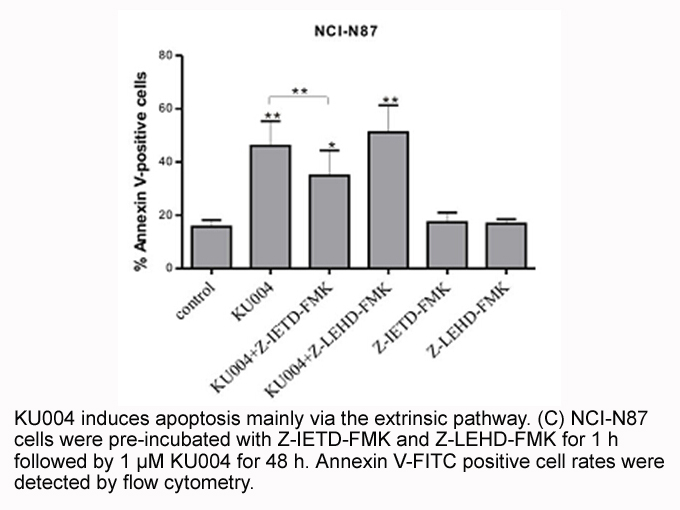
Background In resource-limited countries, many HIV patients currently do not have reliable access to essential diagnostic laboratory tests, including CD4, clinical chemistry, hematology, viral load, and diagnosis of common co-infections. CD4 T cell count monitoring remains an important surrogate
-
The ER EK polymorphism is located
2022-05-04
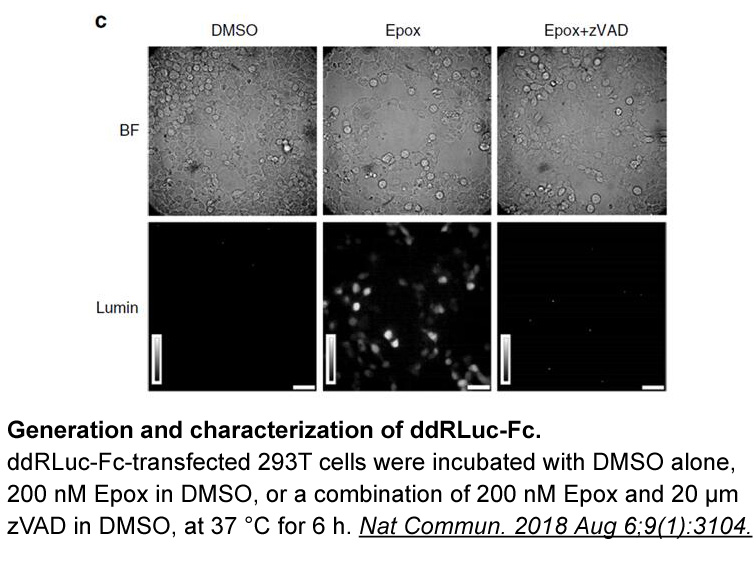
The ER22/23EK polymorphism is located in the transactivation domain of the GR gene. A single nucleotide polymorphisms (SNPs) has been identified in both of the two adjacent codons (22 and 23). These SNPs are fully linked and are associated with relative GC resistance[32], [44]. Although no associati
-
Despite potent biological actions the native hormone undergo
2022-05-04
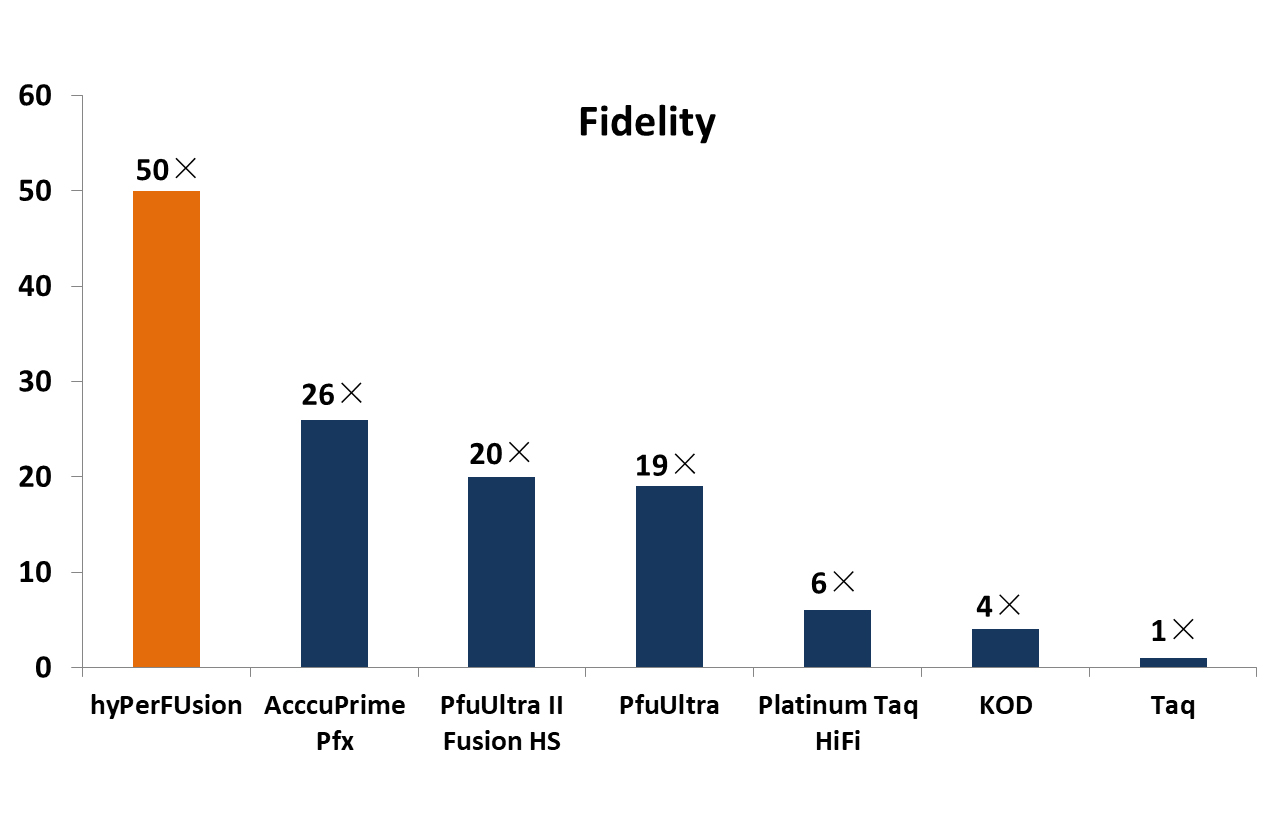
Despite potent biological actions, the native hormone undergoes degradation by the enzyme dipeptidylpeptidase-IV (DPP-IV) [17] and is rapidly cleared from the bloodstream by renal filtration [18]. One such approach to prolong the biological half-life of GIP is through conjugation with a polyethylene
-
To directly address whether pharmacological attenuation of p
2022-05-04
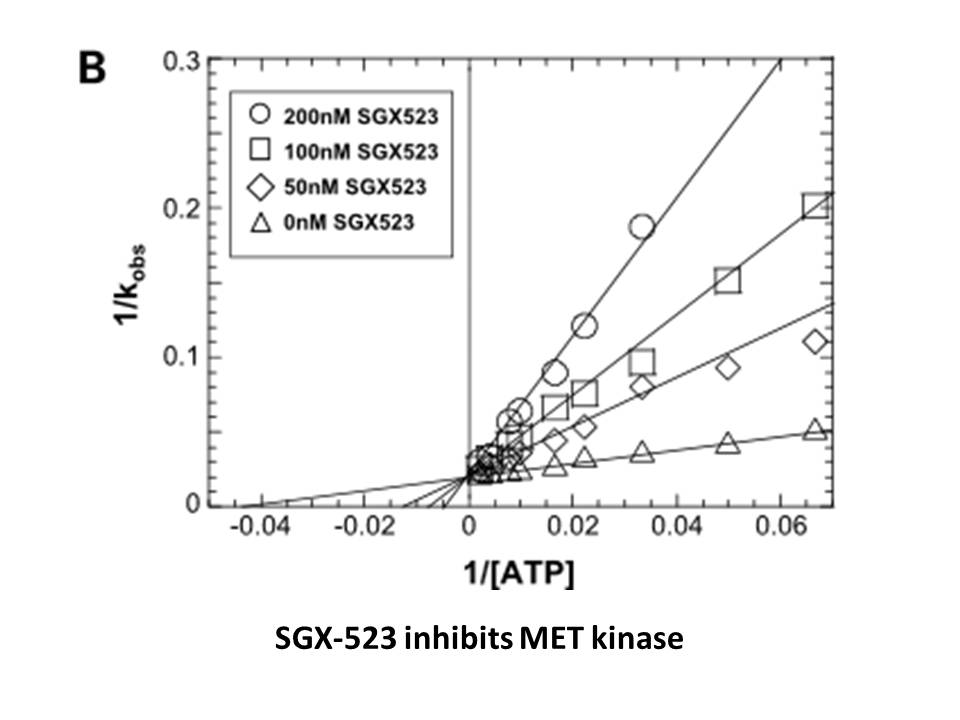
To directly address whether pharmacological attenuation of physiological GIP provides therapeutic benefits in obese mice, we pursued a selective long-acting antagonist to complement the work we report on GIPR agonism. We report a GIP analog of sufficient aqueous solubility that employs a shortened N
-
Due to the versatility of
2022-05-04
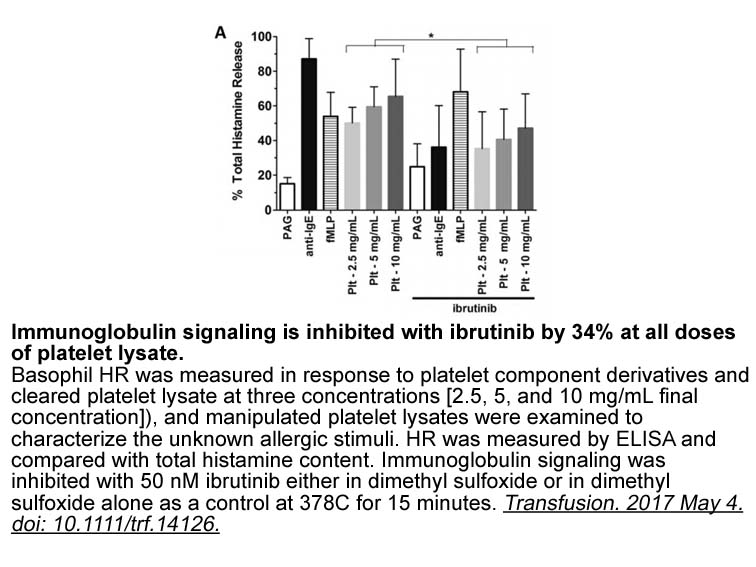
Due to the versatility of the ghrelin system and its multiple functions, dysregulation in some of the components of the ghrelin system, such as ghrelin, GOAT, and GHSR, might lead to pathogenesis of many endocrine-related diseases, including obesity, short stature, cancer, inflammatory, and cardiova
-
AT7519 Similarly Somavarapu and Kepp constructed
2022-05-04
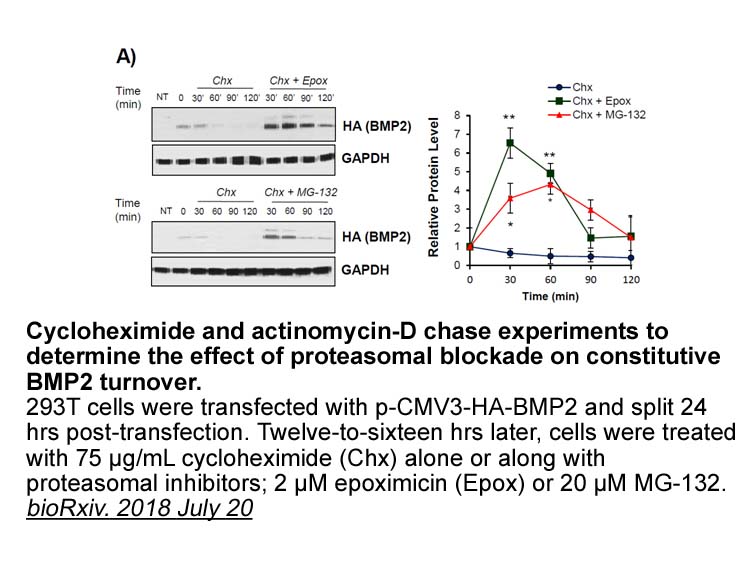
Similarly, Somavarapu and Kepp [29] constructed a PS1 homology model using 4HYG as a template, plus modeling the TM6-TM7 intracellular segment (amino acids 273 to 374). In this study, the authors considered for the first time the mature and immature (not autoproteolyzed) forms of PS1 component, sinc
-
Cellular inhibition is caused by the hyperpolarization
2022-05-04
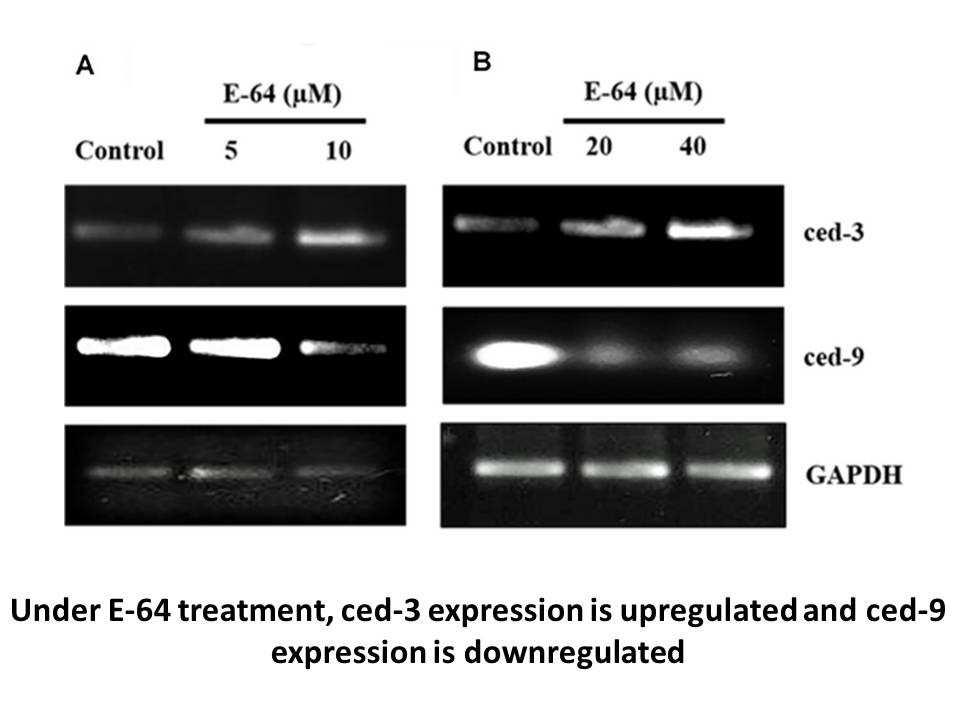
Cellular inhibition is caused by the hyperpolarization of the cell and is mediated by both synaptic and extrasynaptic GABAARs. Synaptic GABAARs are sensitive to high concentrations of GABA released at the synapse and mediate phasic inhibition. In contrast, extrasynaptic GABAARs mediate tonic inhibit
-
br Role of FPRs in regulating
2022-05-04
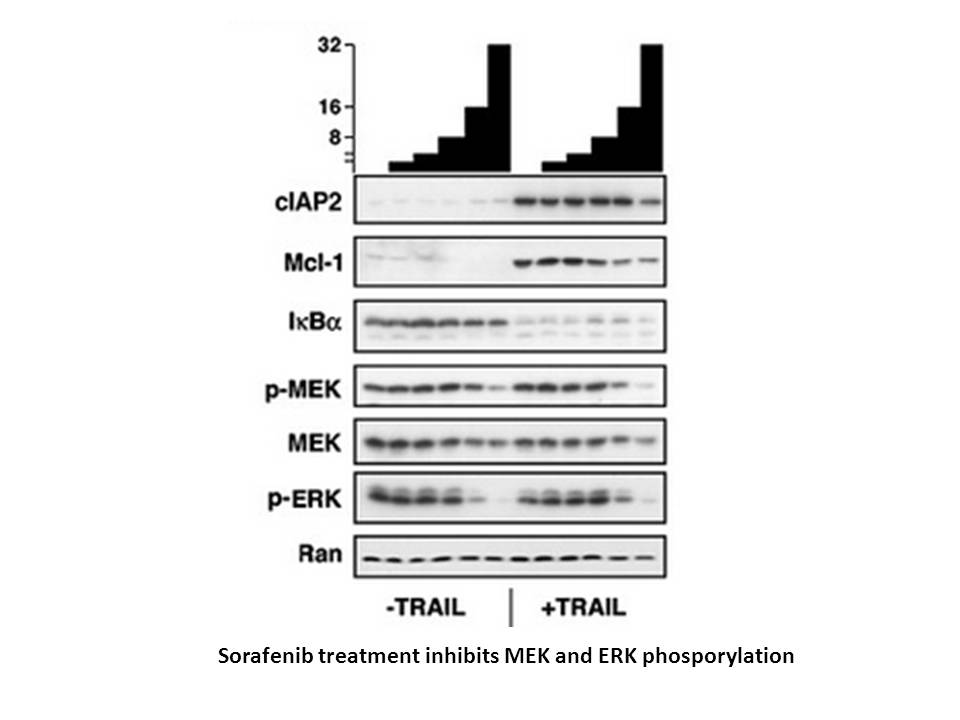
Role of FPRs in regulating the inflammatory response Annexin I is a glucocorticoid-regulated protein possessing both pro- and anti-inflammatory activity that might be mediated, in part, by FPR activation [35]. Expressed in a variety of cell types, annexin I is particularly abundant in neutrophils
-
Tetrazole is one of the
2022-05-04
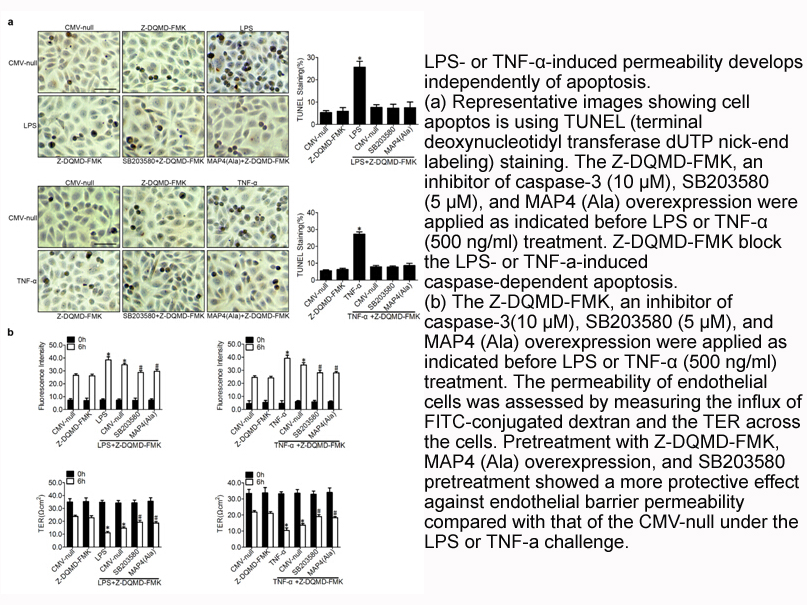
1-Tetrazole is one of the most commonly used bioisosteres for carboxylic acids arising from their similarity in pKa (ca. 4.5–4.9 vs 4.2–4.4, respectively)., Metabolically, tetrazoles may exhibit an advantage over carboxylic acids because they form -glucuronides which are not as chemically reactive
-
Some studies using RNAi have
2022-04-29
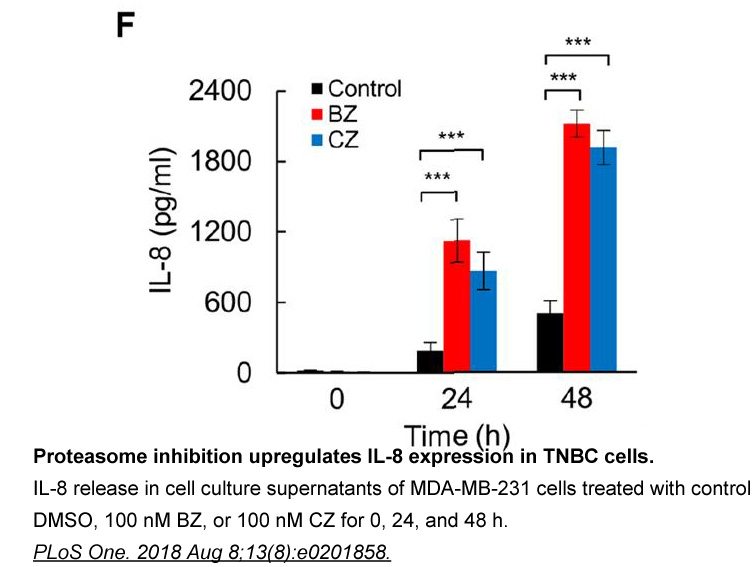
Some studies using RNAi have recently been invalidated by CRISPR/Cas9 [25] due to significant off-target effects of RNAi [26]. In this study, we have used both RNAi and CRISPR/Cas9 techniques and have observed consistent and similar phenotypes thus; knockdown or knockout of PATZ1 resulted in reducti
-
br Competing interests br Funding br Ethical approval
2022-04-29

Competing interests Funding Ethical approval Acknowledgement Introduction Hepatitis C is a disease that infects the liver through transmission of the hepatitis C virus (HCV). Because the symptoms of this infection are not pronounced, the infected individuals may not even be aware of t
-
Membrane based integrative treatment processes emerge
2022-04-29

Membrane based integrative treatment processes emerge as potential solution compared to the conventional techniques. Gisi et al. (2009) presented a treatment scheme for tannery wastewater consisting of a biological pre-treatment and then a polymer as coagulant followed by reverse ACSF with a plane
-
br Role of dynamin in NPRA endocytosis
2022-04-29
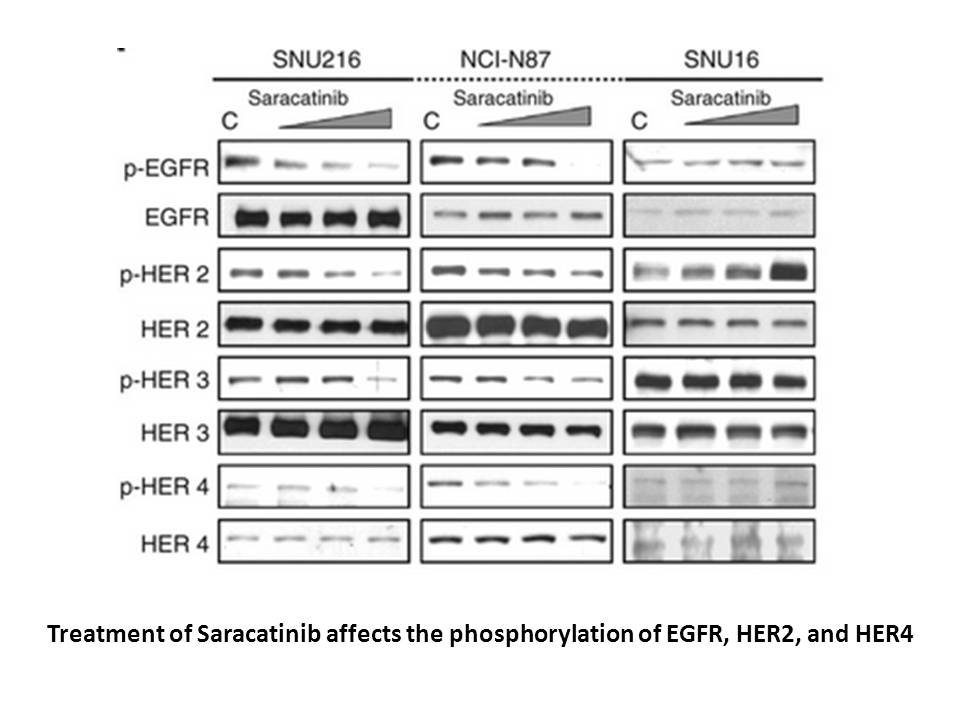
Role of dynamin in NPRA endocytosis In recent studies using 125I-ANP binding assay and confocal microscopy, we have examined the role of dynamin in the internalization and trafficking of NPRA in a stably transfected HEK-293 Fmoc-Hyp-OH sale [69]. Our findings indicated that ANP treatment of high
8612 records 509/575 page Previous Next First page 上5页 506507508509510 下5页 Last page