Archives
- 2026-10
- 2026-09
- 2026-08
- 2026-07
- 2026-06
- 2026-05
- 2026-04
- 2026-03
- 2026-02
- 2026-01
- 2025-12
- 2025-11
- 2025-10
- 2025-09
- 2025-03
- 2025-02
- 2025-01
- 2024-12
- 2024-11
- 2024-10
- 2024-09
- 2024-08
- 2024-07
- 2024-06
- 2024-05
- 2024-04
- 2024-03
- 2024-02
- 2024-01
- 2023-12
- 2023-11
- 2023-10
- 2023-09
- 2023-08
- 2023-07
- 2023-06
- 2023-05
- 2023-04
- 2023-03
- 2023-02
- 2023-01
- 2022-12
- 2022-11
- 2022-10
- 2022-09
- 2022-08
- 2022-07
- 2022-06
- 2022-05
- 2022-04
- 2022-03
- 2022-02
- 2022-01
-
Renal disease is characterized by aberrant fibrotic remodeli
2022-04-14
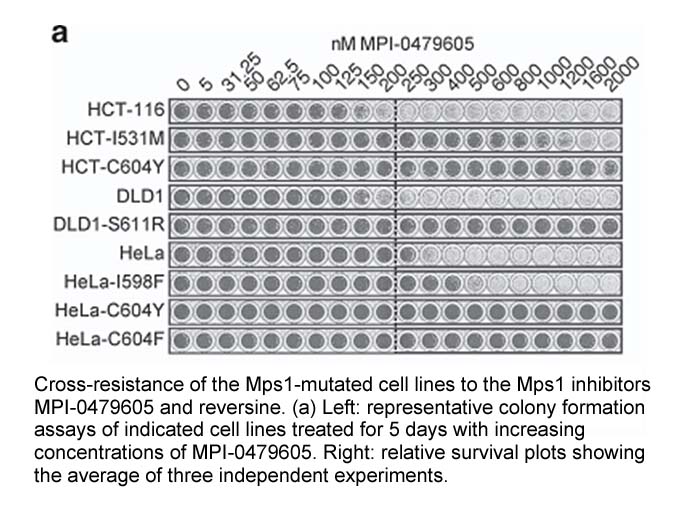
Renal disease is characterized by aberrant fibrotic remodeling of renal tissue, elevated apoptosis in kidney tissue, and eventual organ failure. In addition, patients with renal disease are more likely to suffer from systemic hypertension due to oxidative damage (reviewed in Ref. [18]). Treatment of
-
Here we show that CT recruits
2022-04-14
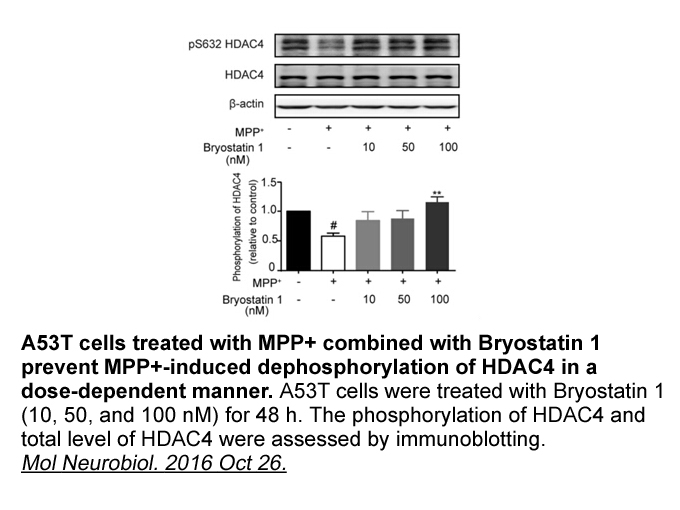
Here, we show that CT229 recruits multiple Rab GTPases and Rab effector proteins to the inclusion; the CT229 Inc protein redirects and intercepts host clathrin-coated vesicles (CCVs). CT229 is required for recruitment of transferrin (Tfn) positive CCV’s from the recycling pathway to the periphery of
-
br Cholecystokinin CCK CCK is secreted by enteroendocrine I
2022-04-14
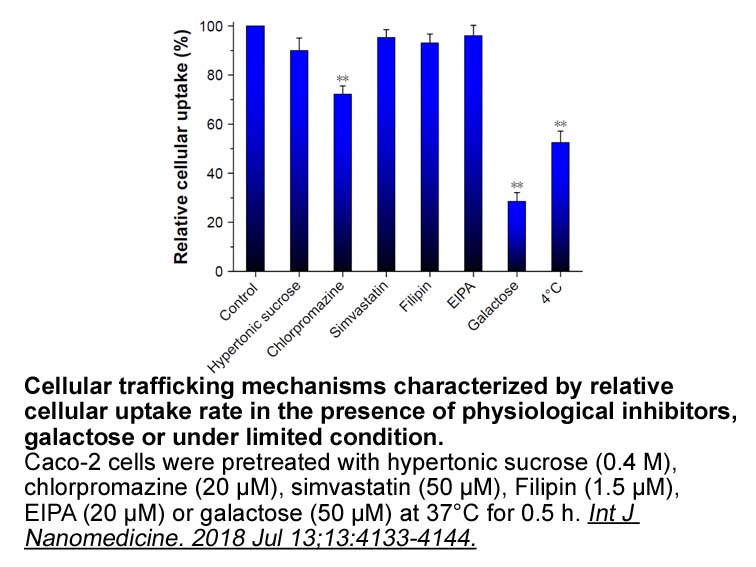
Cholecystokinin (CCK) CCK is secreted by enteroendocrine I-cells of the duodenum and jejunum in response to amino acids and lipids [14]. There are two forms of the CCK receptor, CCK1 which is expressed on pancreatic α- and β-cells while CCK2 is located on somatostatin-secreting δ-cells [8]. CCK r
-
GLP is an intestinal peptide hormone that is released
2022-04-14
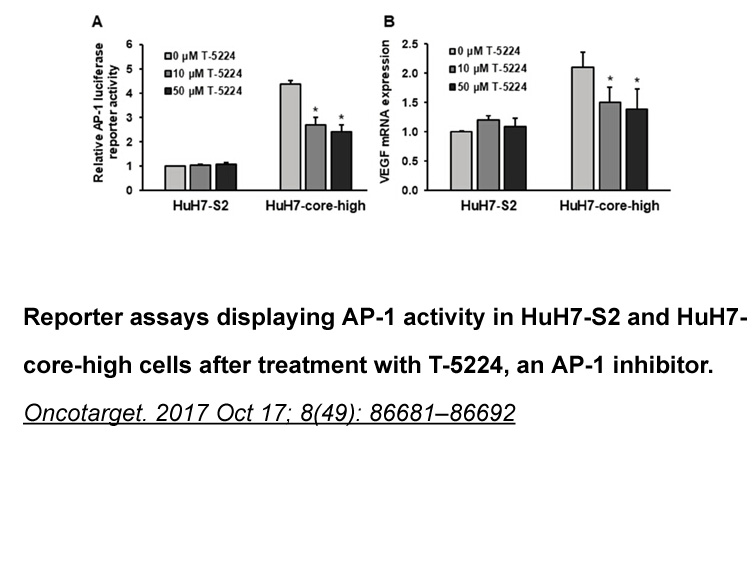
GLP-1 is an intestinal peptide hormone that is released by the gut following ingestion of food, particularly GYKI 52466 dihydrochloride and fats. Following its release, GLP-1 stimulates pancreatic β-cells to secrete insulin (Hirasawa et al., 2005, Covington et al., 2006). Originally, GLP-1 acted in
-
Selective pharmacological inhibition of tonic currents indic
2022-04-14
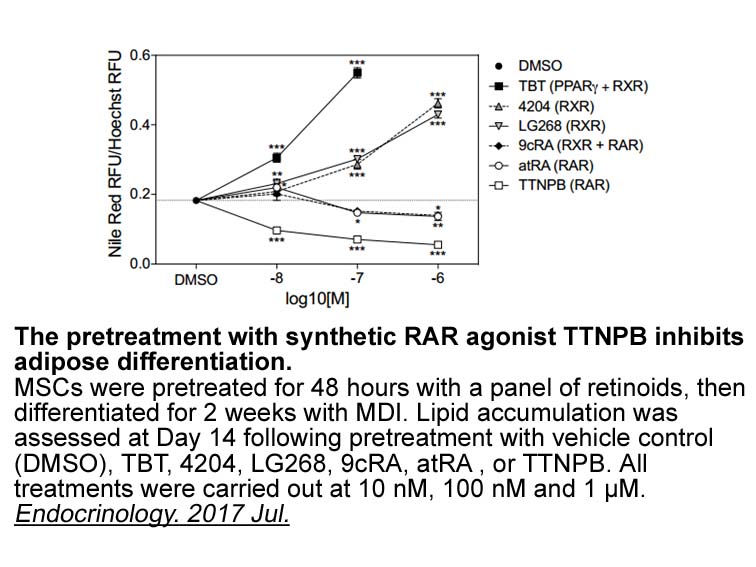
Selective pharmacological inhibition of tonic currents indicated that the effects of gp120 are predominantly mediated by α5-containing GABAARs. The other dominant subtype that contributes to tonic current in the hippocampus, the δ-containing GABAAR, was unaffected by gp120 treatment. Additionally, i
-
Obestatin synthetized mainly in the gastrointestinal
2022-04-14
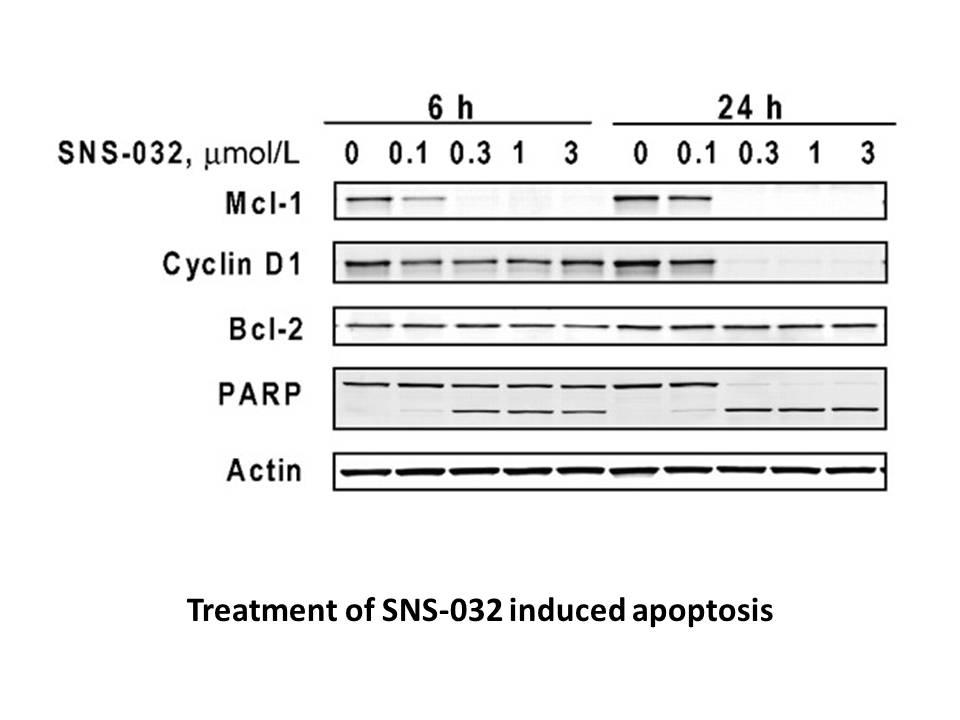
Obestatin, synthetized mainly in the gastrointestinal tract, participates in the regulation of metabolic functioning at both central and peripheral levels (food intake, pancreatic activity or/and adipocytes proliferation) (Granata et al., 2008; Li et al., 2011). It is involved in the complex gut-bra
-
To further explain the energy differences between Group A an
2022-04-14
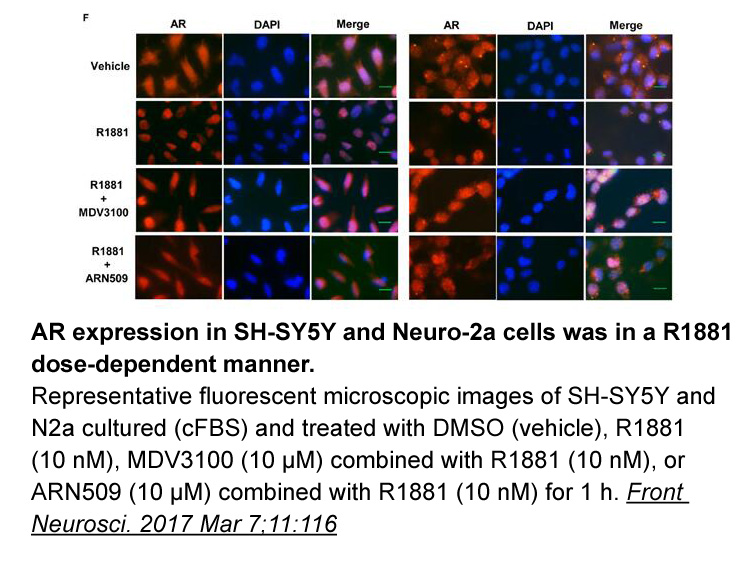
. To further explain the energy differences between Group-A and Group-B, the average distances between ligands and the zinc cation were obtained from the last 1ns trajectory. It turns out that the members of group A were within the coordination distance of the zinc ion, whereas those of group B stay
-
During the structural transition the FD
2022-04-14
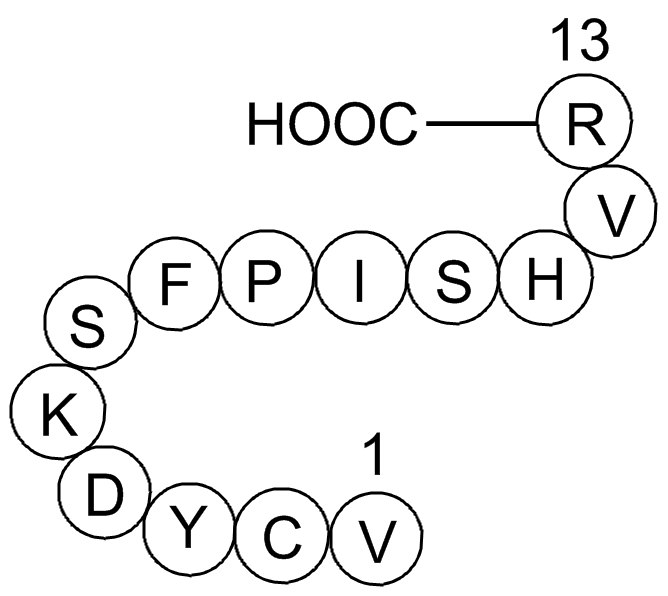
During the structural transition, the FD, the PHD and the TrD retain their tertiary structure. Nevertheless, they undergo large rearrangements in their relative orientation due to secondary changes in hinge segments (R1 to R5) which refold during the low-pH induced conformational change. Particularl
-
Studies dealing with the effects of
2022-04-14
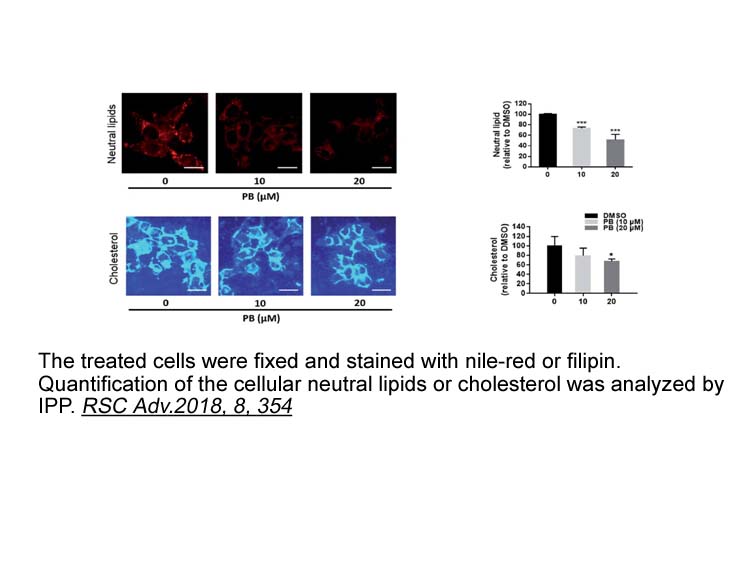
Studies dealing with the effects of ischemia on EAATs have been previously reported, but some discrepancies in literature appear between them probably as a consequence of the different models, species, time of reperfusion after ischemia and age of the animals. Thus, in human, Octreotide acetate str
-
The previous study demonstrated that the main CYP
2022-04-14
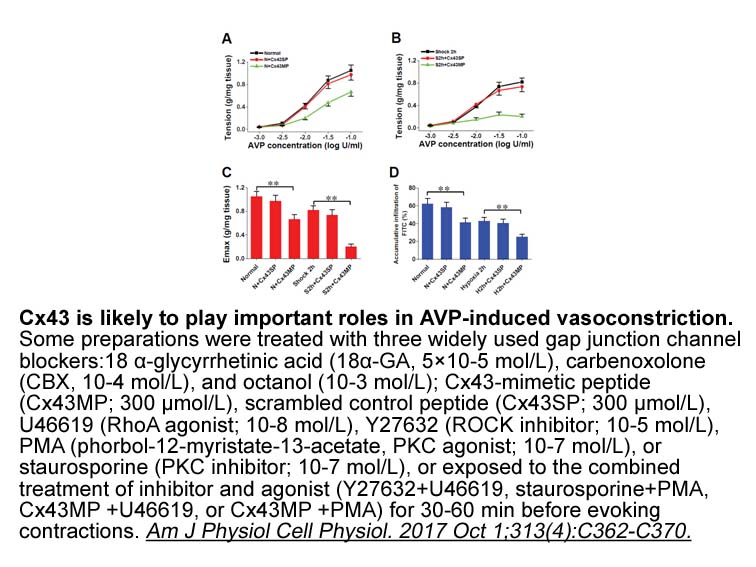
The previous study demonstrated that the main CYP isoforms present in the human NVP-BSK805 included CYP46A1, 2J2, 2U1, 1B1, 2E1 and 2D6 (Dutheil et al., 2009b, 2010). CYP1B1 and CYP2U1 were found in the mitochondrial and microsomal fractions of astrocytes in the human frontal lobe, hippocampus, subs
-
Glucose uptake a critical metabolic control point in
2022-04-14
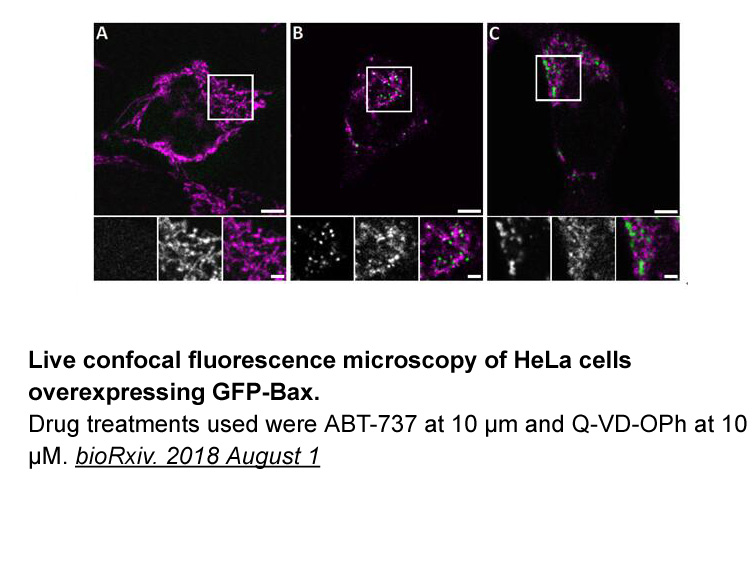
Glucose uptake, a critical metabolic control point in glycolysis, is mediated by the GLUT (SLC2) family of integral membrane transporters (Mueckler and Thorens, 2013). GLUT1 (SLC2A1), one of the most well-studied members of the SLC2 family, exhibits a wide tissue distribution; cell surface expressio
-
Acute effects of FZ were not altered in GluR
2022-04-14
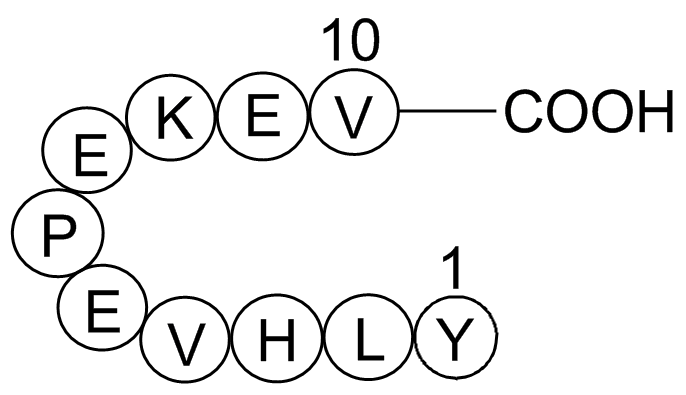
Acute effects of FZ were not altered in GluR-A−/− mice, thus providing a solid basis for comparing the effects of repeated drug administration. In addition, GluR-A subunit deficiency did not affect the basal behavior of saline-treated animals, despite the GluR-A−/− mice having been described as hype
-
Up to now the research
2022-04-14

Up to now, the research about the effect of PAs on inhibiting carbohydrase activity in vitro or reducing blood sugar level in vivo was mainly reported in PAs from grape seeds, Lepisanthes alata (Malay cherry) leaves, sorghum, pomegranate, cranberry and persimmon (Banerji and Banerjee, 2016, Barrett
-
br Sodium glucose co transporter inhibitors SGLT i are the
2022-04-14
Sodium-glucose co-transporter-2 inhibitors (SGLT2i) are the latest class of non-insulin glucose-lowering agents that facilitate glycaemic control by inhibiting renal glucose reabsorption, thus promoting glycosuria. Canagliflozin, dapagliflozin, and empagliflozin are the three commonly used agents
-
X-NeuNAc br Origin of the vertebrate hexokinase gene
2022-04-14
Origin of the vertebrate hexokinase gene family Multiple hexokinases have been found in vertebrates, plants and yeast (Wilson, 1995, Cárdenas et al., 1998). A hexokinase in both vertebrates and yeast has, unfortunately, been named glucokinase. The sharing of the name glucokinase has suggested to
8612 records 516/575 page Previous Next First page 上5页 516517518519520 下5页 Last page