Archives
- 2026-06
- 2026-05
- 2026-04
- 2026-03
- 2026-02
- 2026-01
- 2025-12
- 2025-11
- 2025-10
- 2025-09
- 2025-03
- 2025-02
- 2025-01
- 2024-12
- 2024-11
- 2024-10
- 2024-09
- 2024-08
- 2024-07
- 2024-06
- 2024-05
- 2024-04
- 2024-03
- 2024-02
- 2024-01
- 2023-12
- 2023-11
- 2023-10
- 2023-09
- 2023-08
- 2023-07
- 2023-06
- 2023-05
- 2023-04
- 2023-03
- 2023-02
- 2023-01
- 2022-12
- 2022-11
- 2022-10
- 2022-09
- 2022-08
- 2022-07
- 2022-06
- 2022-05
- 2022-04
- 2022-03
- 2022-02
- 2022-01
- 2021-12
- 2021-11
- 2021-10
- 2021-09
- 2021-08
- 2021-07
- 2021-06
- 2021-05
- 2021-04
- 2021-03
- 2021-02
- 2021-01
- 2020-12
- 2020-11
- 2020-10
- 2020-09
- 2020-08
- 2020-07
- 2020-06
- 2020-05
- 2020-04
- 2020-03
- 2020-02
- 2020-01
- 2019-12
- 2019-11
- 2019-10
- 2019-09
- 2019-08
- 2019-07
- 2019-06
- 2019-05
- 2019-04
- 2018-07
-
In summary the reduction of one or more pro inflammatory
2020-01-08

In summary, the reduction of one or more pro-inflammatory cytokines, such as TNF-α, IL-1β, IL-6, IL-8 was observed in almost all the monoterpenes studied. Increased levels of the anti-inflammatory cytokine IL-10 was shown to play a prominent function in the anti-inflammatory effect of monoterpenes,
-
Previous studies found that depression primarily results
2020-01-08
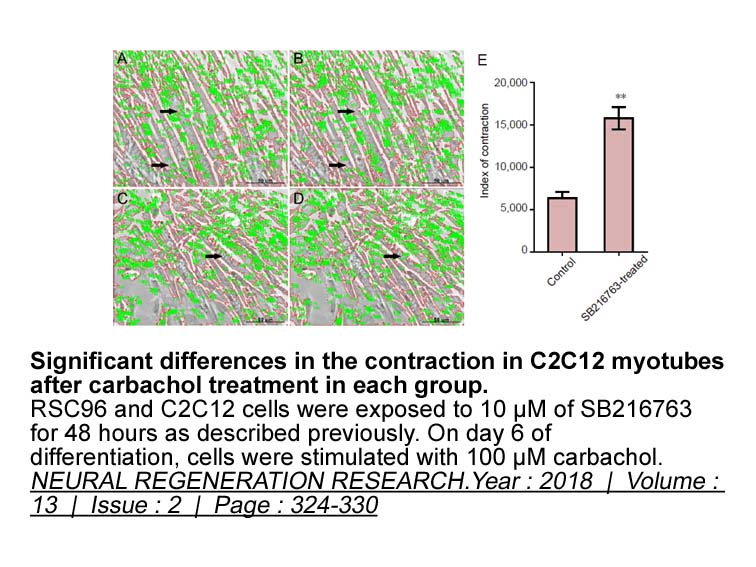
Previous studies found that depression primarily results from impaired monoaminergic neurotransmission systems [1], [2]. The glutamatergic and GABAergic systems as well as several neuropeptide systems have also been the focus of pathophysiological studies on depression [1], [2]. Inflammatory cytokin
-
Compound A and Compound B
2020-01-08
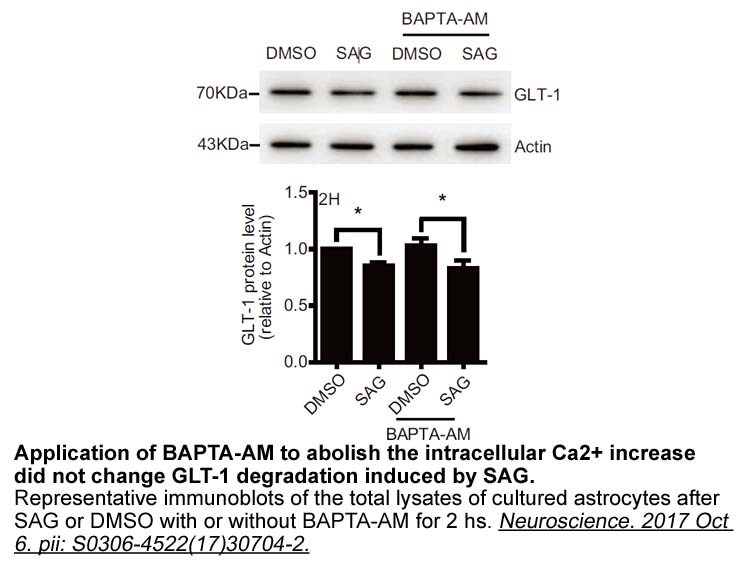
Compound A and Compound B (Fig. 4) were found in our in vitro screening assays and have similar CRF1 receptor in vitro profiles (Table 1). When binding was investigated using [125I]-CRF in ex vivo assay, Compound A inhibited binding of [125I]-CRF both in the frontal cortex and the pituitary; however
-
There are some limitations to
2020-01-08
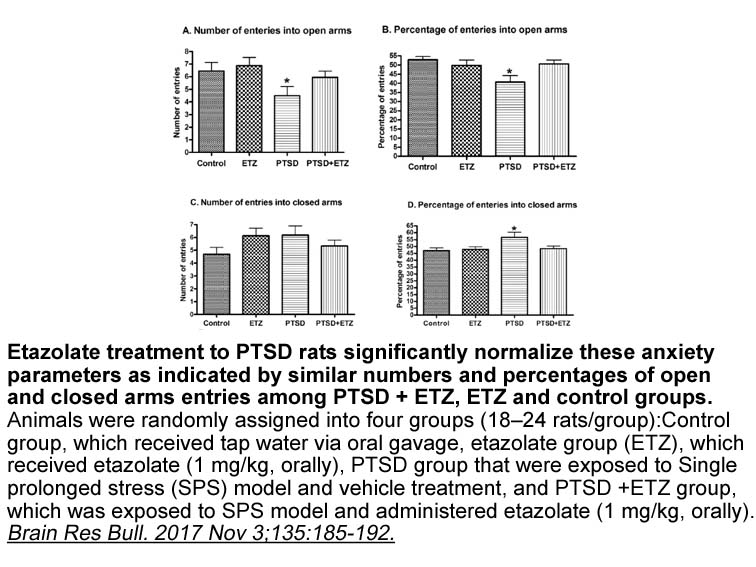
There are some limitations to our study. First, the small sample size, even if comparable or higher than most studies, did not offer the possibility to consider other variables, such as frequency of use or age of onset. Second, since most subjects did not report current use, we could not analyze sep
-
Epitope analyses of AT AA and
2020-01-08
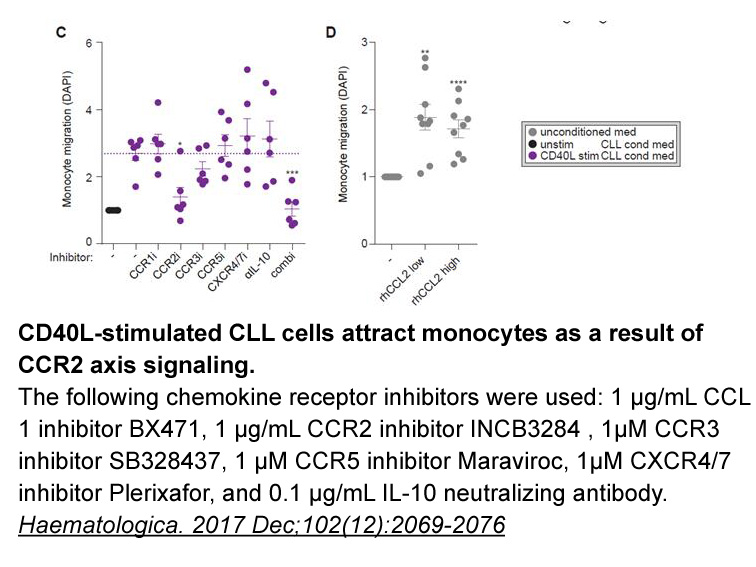
Epitope analyses of AT1-AA and ET-AA indicate that the SGI1776 of both autoantibodies are located at the second extracelluar loop of both receptors. The specific epitopes for both autoantibodies are similar to what was reported previously in a cohort of patients from Brazil [6] and for AT1-AA also
-
Functional studies revealed that these ESR mutations lead to
2020-01-08

Functional studies revealed that these ESR1 mutations lead to constitutive activity of the ER, meaning that the receptor is active in absence of estrogen, conferring resistance against several endocrine agents. Recent studies reported that the occurrence of ESR1 mutations is rare in ER+ primary brea
-
Several large scale clinical studies have set out
2020-01-08
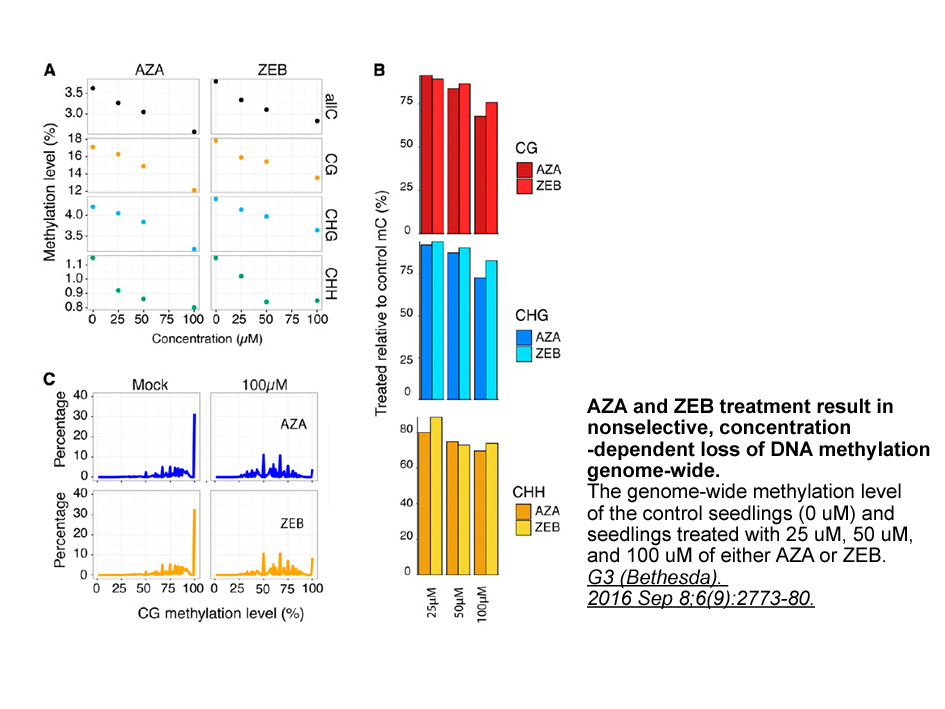
Several large-scale clinical studies have set out with the common goal to further understand the cognitive impact of menopause and hormone therapies taken by women (Gleason et al., 2015, Greendale et al., 2011, Karlamangla et al., 2017, Rapp et al., 2003, Shumaker et al., 2003). Only one human study
-
Introduction Breast cancer is a highly prevalent malignancy
2020-01-08

Introduction Breast cancer is a highly prevalent malignancy. There are some recognized risk factors for breast cancer, like early menarche or late menopause, which increase the length of the exposure to hormones, as a result of a higher number of ovarian cycles [1]. Moreover, there is evidence supp
-
Prostaglandin E receptor subtype EP is a transmembrane G
2020-01-08
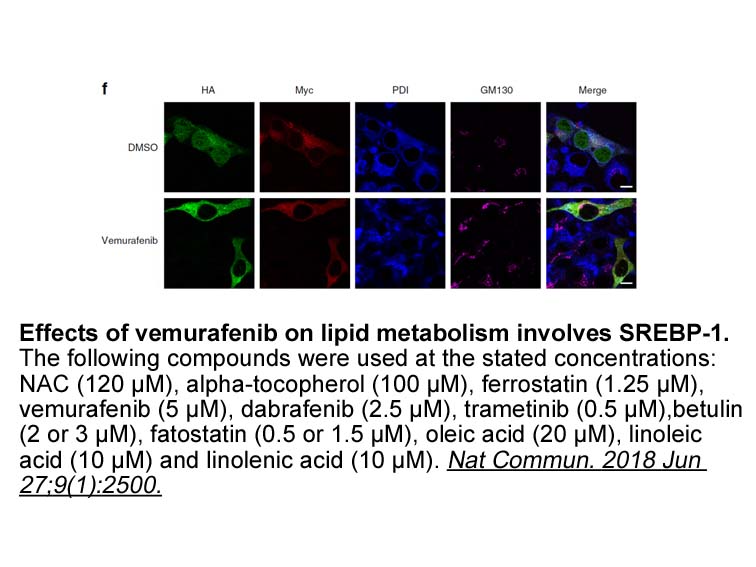
Prostaglandin E receptor subtype 4 (EP4) is a transmembrane G-coupled protein receptor activated by prostaglandin E2 (PGE2). EP4 activation exerts anti-inflammatory effects in adipose tissue by dampening the levels of inflammatory chemokines [12]. In the mouse, EP4 deficiency aggravates fragmentatio
-
In agreement with the evidence on the
2020-01-08
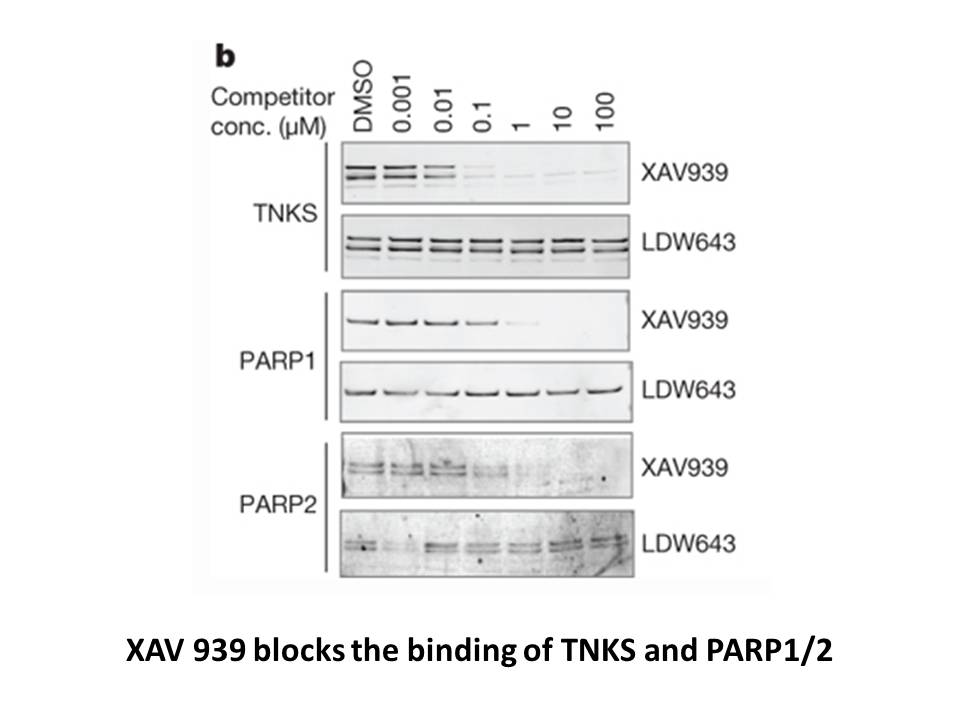
In agreement with the evidence on the Plg-binding function of tapeworm enolases, eukaryotic enolases have been shown to be multifunctional proteins, with other activities besides their role as glycolytic enzymes (Pancholi, 2001). In this respect, several flatworms have been proved to express enolase
-
Preliminary studies evidenced the presence of
2020-01-07

Preliminary studies evidenced the presence of CRFr in gamma-aminobutyric acid-ergic (GABAergic) neurons of the hippocampus (Yan et al., 1998). In fact, in this s equol receptor area, CRF inhibits glutamate release through CRF1r (Bagosi et al., 2015), leading to a decrease in the GABA concentration i
-
br Acknowledgements br The oxygenation level has an
2020-01-07
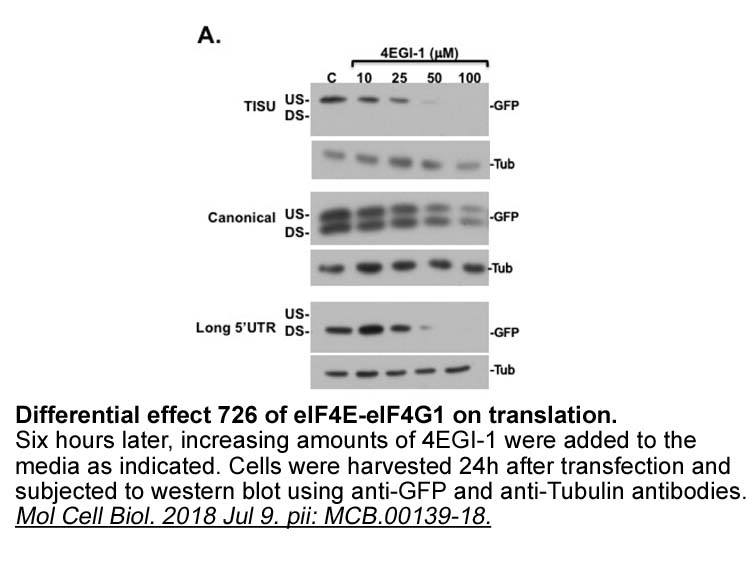
Acknowledgements The oxygenation level has an impact on various aspects of skin physiology, but mechanisms of these effects, including the role of hypoxia in epidermal differentiation, are still poorly understood. The main components of the hypoxia pathway are short-lived transcription factor H
-
br Results br Discussion In this paper we present
2020-01-07
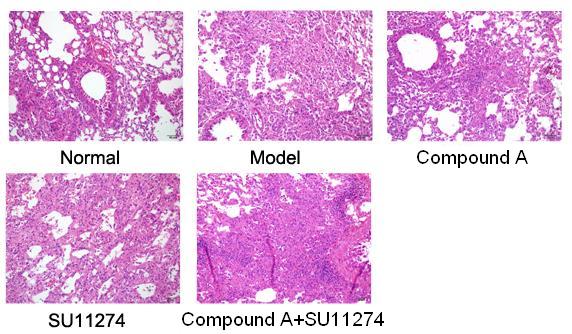
Results Discussion In this paper we present insights into the observed specificities of inhibitors targeting the ubiquitin-activating and related E1 SCH 58261 via crystal structures of the specific NEDD8-E1 inhibitor MLN4924, the dual NEDD8/Ub E1 inhibitor ABPA3, and the selective Ub-E1 inhib
-
Protein ubiquitination occurs at the lysine residues and is
2020-01-06
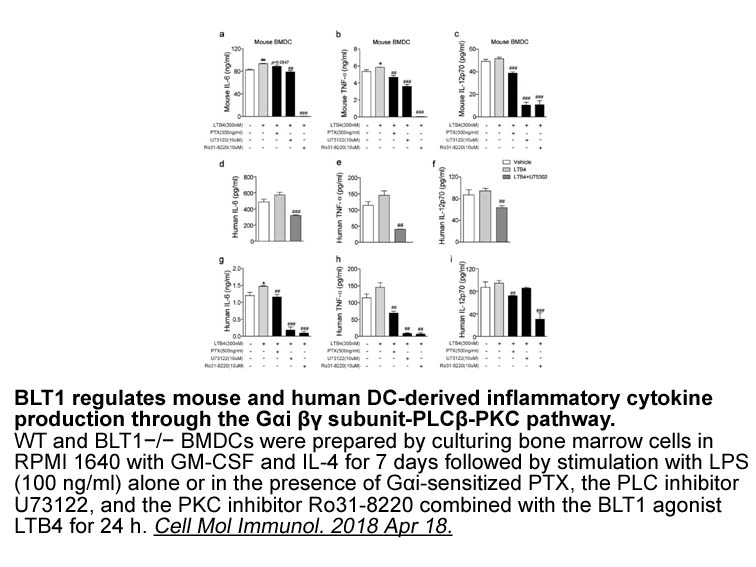
Protein ubiquitination occurs at the lysine residues, and is mediated by the sequential reactions of ubiquitin-activating enzyme (E1), conjugating enzyme (E2), and ligase (E3). The first step in this process comprises the ATP-dependent activation of ubiquitin by E1 to form a ubiquitin–E1 conjugate.
-
GSK343 br Chondroitin sulfate proteoglycans CSPGs are
2020-01-06
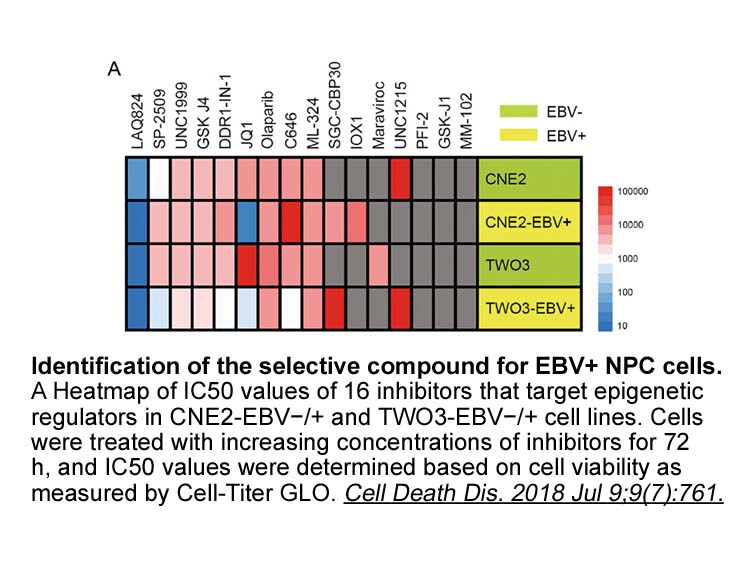
Chondroitin sulfate proteoglycans (CSPGs) are major components of the extracellular matrix in cartilage. Each CSPG comprises a single core protein and attached chondroitin sulfate (CS), belonging to the glycosaminoglycan family of sugar chains. CSPGs and CS are involved in numerous biological and
16433 records 949/1096 page Previous Next First page 上5页 946947948949950 下5页 Last page